Fig 1
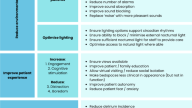
Design principle of most bacteria sensor–reporters for arsenic. a When no arsenic enters the cell, the ArsR protein represses the transcription of the arsenic defense system genes (arsD, arsC, arsA, and arsB) from one particular DNA region upstream of the gene for itself (the operator–promoter site). In the presence of arsenite in the cell, ArsR loses affinity for the operator and RNA polymerase will transcribe the arsDCAB genes to produce the defense. ArsC is a reductase that reduces arsenate [(As(V)] to arsenite [As(III)], whereas ArsAB constitute an efflux pump for arsenite. b In the sensor–reporter strain, an extra copy of the operator–promoter DNA fused to the arsR gene and a gene for a reporter protein are added to the cell. In this case, when arsenite or arsenate is sensed by the cell, transcription for the reporter gene will also be unleashed and the reporter protein will be formed. The presence or activity of the reporter protein is subsequently measured
The way that this protein can invoke this response is by its action as a transcriptional repressor, which, in the absence of arsenic, binds to a specific DNA sequence (i.e., the operator) overlapping with the binding site for RNA polymerase (the promoter; Fig. 1).
To turn this natural defense system into a workable bioassay, the bacterial cell is equipped with a second copy of the operator–promoter sequence for ArsR, which is now transcriptionally fused to a gene for a so-called reporter protein (Fig. 1).
Viewing this image requires a subscription. If you are a subscriber, please log in.
This image is copyrighted by Springer-Verlag.
The image is being made available for non-commercial purposes for subscribers to SpringerImages. For more information on what you are allowed to do with this image, please see our copyright policy.
To request permissions to use any copyrighted material, please visit the source document.
Report a copyright concern regarding this image.
Log in or register to save your favorite images and download them as high-quality PowerPoint or PDF files.
Log in or register to save your search criteria.
Sorry, to access Springer Images your browser must support JavaScript.