200 million monthly downloads
24 million monthly readers
3 million authors submit annually

200 million monthly downloads
24 million monthly readers
3 million authors submit annually


SN Applied Sciences is now Discover Applied Sciences! We are excited to announce that SN Applied Sciences moved into our fully OA Discover journal...
Discover Sustainability is an open access journal publishing research across all fields relevant to sustainability. Average number of article...
The Journal of Epidemiology and Global Healthis an international peer reviewed journal which aims to impact global epidemiology and international...


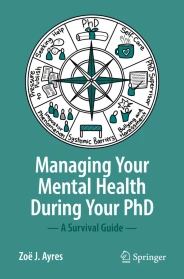


As part of Springer Nature, SpringerLink delivers fast access to the depth and breadth of our online collection of journals, eBooks, reference works and protocols across a vast range of subject disciplines.
SpringerLink is the reading platform of choice for hundreds of thousands of researchers worldwide. Find out how to publish your research with Springer Nature.